
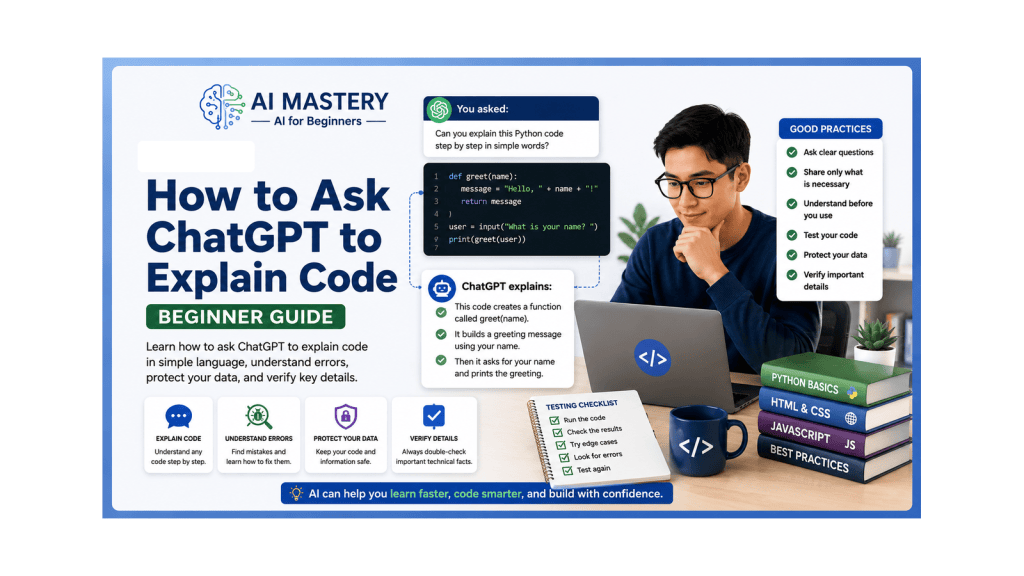
Estimated reading time: 45–50 minutes
Last updated: August 16, 2026
Introduction
Code can look confusing when you are a complete beginner.
You may see symbols, brackets, functions, commands, and unfamiliar words without knowing what any of them mean.
ChatGPT can help by explaining code in conversational language. OpenAI describes ChatGPT as a system designed to respond to questions and instructions in dialogue, and its current interface supports working with code blocks for coding tasks.
For example, you can paste a short piece of code and ask:
“Explain this code line by line for a complete beginner.”
You can also ask:
· What does this code do?
· Which programming language is this?
· What does this function mean?
· Which part controls the button?
· Why is this line needed?
· What happens if I remove this part?
· Can you explain this using simpler words?
· Can you show me a small example?
This can make unfamiliar code easier to understand.
For example, suppose you see:
print(“Hello”)
You could ask:
“Explain this Python code as if I have never coded before.”
ChatGPT could then explain that:
· print is an instruction that displays something.
· The quotation marks contain the text.
· Hello is the text that will appear.
The important point is not simply to get an explanation.
You should use the explanation to gradually understand:
· What the code is supposed to do
· Which parts you can change
· Which parts are important
· What may cause an error
· What you should test afterward
You can also continue asking follow-up questions.
For example:
“I still do not understand what print means. Explain it using an everyday example.”
This back-and-forth approach can be useful because you do not need to understand every technical term in the first explanation.
However, ChatGPT can make mistakes or give an explanation that is incomplete, especially when code is long, unusual, outdated, or depends on information that was not included in your prompt.
For important code, you should compare technical details with current official documentation and test the code yourself.
In this guide, you will learn how to ask ChatGPT to explain code clearly, how to provide the right amount of context, how to ask useful follow-up questions, how to avoid sharing sensitive information, and how to tell when an explanation still needs verification.
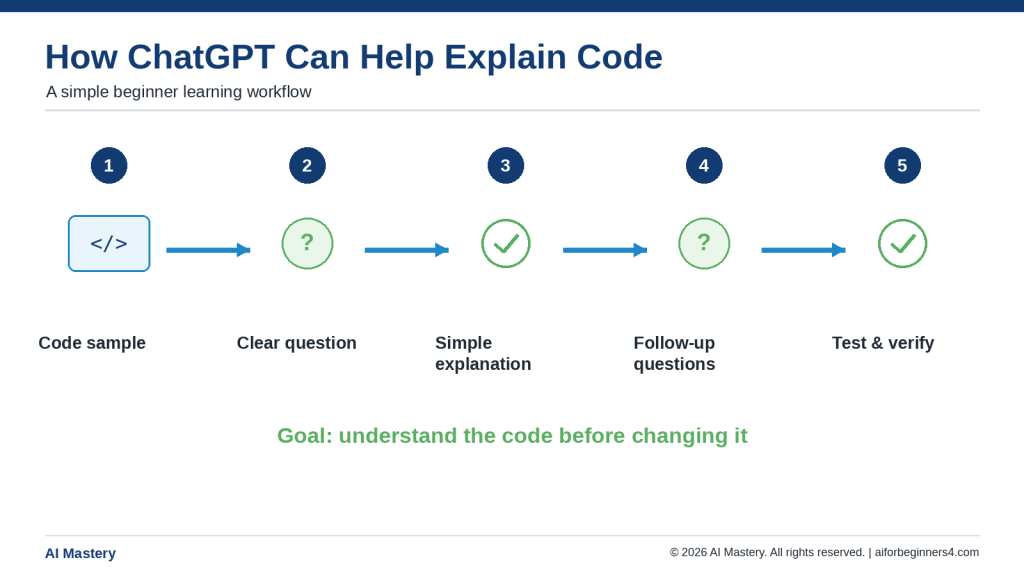
Figure 1. How ChatGPT can help explain code.
Explanation: The workflow moves from a small code sample to a clear question, a simple explanation, follow-up questions, and finally testing and verification.
Before You Start
You do not need to understand programming before asking ChatGPT to explain code.
You mainly need:
· A short piece of code you want to understand
· The programming language if you know it
· A clear question about what confuses you
· Any relevant error message
· A safe copy of the code without private information
Start with a Small Code Sample
Beginners should avoid pasting a very large program at first.
A smaller example is easier to explain.
For example, instead of pasting hundreds of lines of code, start with the section that contains the part you do not understand.
You could ask:
“Explain only this section of the code. Tell me what each line does and how the lines work together.”
Tell ChatGPT Your Skill Level
ChatGPT can adjust the explanation when you clearly say that you are a beginner.
For example:
“Explain this code as if I have never programmed before. Avoid technical words unless you explain them.”
This can produce a simpler explanation than asking only:
“Explain this code.”
Tell ChatGPT What You Want to Understand
Different questions need different explanations.
You might want to know:
· What the whole code does
· What one line means
· What a function does
· Why a variable is used
· Which part controls an output
· Why an error appears
· What you can safely change
· How two parts of the code connect
For example:
“Explain what this function does and why it is needed.”
Include the Programming Language When You Know It
If you know the language, mention it.
For example:
“This is Python code. Explain it line by line for a beginner.”
or:
“This is HTML and CSS. Explain what the HTML does first, then explain the CSS.”
This can help keep the explanation focused.
Ask for One Type of Explanation at a Time
If you ask for too much at once, the answer can become overwhelming.
Instead of asking:
“Explain everything, fix the code, improve it, make it secure, and add new features.”
start with:
“First, explain what the code currently does.”
Then continue with another question after you understand it.
Keep the Original Code
Before changing anything, save the original version.
For example:
· code-original.txt
· project-before-changes
· webpage-v01-working.html
This gives you something to return to if a later change causes a problem.
Remove Sensitive Information
Before pasting code into ChatGPT, check for:
· Passwords
· API keys
· Access tokens
· Database credentials
· Private URLs
· Customer information
· Personal information
· Confidential comments
· Internal company details
Replace sensitive values with placeholders such as:
YOUR_API_KEY_HERE
or:
PRIVATE_DATABASE_NAME
Include the Exact Error When Relevant
If you want help understanding an error, include the complete error message when it is safe to share.
For example:
“This Python code gives me this error: [error message]. Explain what the error means before showing me how to fix it.”
This is more useful than saying:
“My code does not work.”
Ask ChatGPT Not to Change the Code Yet
If your goal is learning, you can say:
“Do not rewrite or fix the code yet. First explain what it does and where the problem may be.”
This keeps the focus on understanding.
Reality: ChatGPT can make unfamiliar code easier to understand, but the explanation is still AI-generated. For important technical details, compare the explanation with current official documentation and test the code yourself.
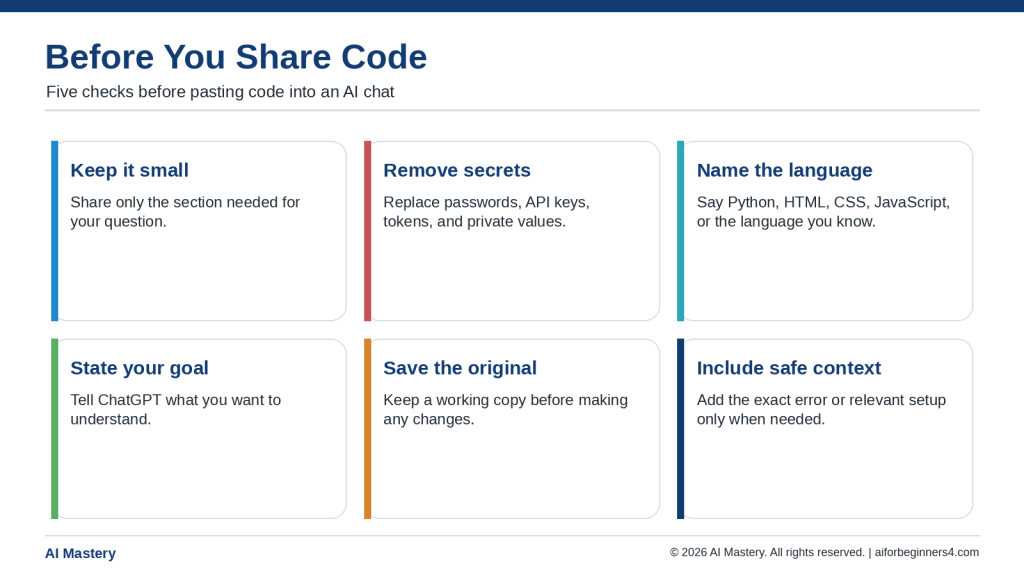
Figure 2. Checklist before sharing code with ChatGPT.
Explanation: Before pasting code, keep the sample small, remove secrets, identify the language when possible, state your goal, save the original, and include only the context needed.
What You’ll Learn
By the end of this guide, you will know how to:
· Ask ChatGPT to explain unfamiliar code in simple language.
· Tell ChatGPT that you are a complete beginner.
· Ask for line-by-line explanations.
· Ask what a function, variable, command, or symbol means.
· Separate HTML, CSS, JavaScript, Python, or other code explanations when needed.
· Provide enough context without sharing unnecessary private information.
· Ask useful follow-up questions when the first explanation is still confusing.
· Ask ChatGPT to explain an error before fixing it.
· Ask what parts of the code can be safely changed.
· Compare expected behavior with what the code actually does.
· Keep the original working code before making changes.
· Recognize when an AI explanation may be incomplete or incorrect.
· Verify important technical details using current official documentation.
· Use ChatGPT as a learning assistant rather than simply copying code you do not understand.
You will also learn how to make coding explanations more useful by asking focused questions instead of requesting one large explanation of an entire project.
The goal is to gradually become more comfortable reading and understanding code so that you can recognize what each part is doing, ask better questions, and make safer changes.
How to Ask ChatGPT to Explain Code Clearly
The quality of the explanation often depends on how clearly you ask the question.
A short prompt such as:
“Explain this code.”
may work, but a more specific prompt usually gives a more useful answer.
Ask for a Beginner-Level Explanation
Tell ChatGPT exactly how simple the explanation should be.
For example:
“Explain this code for a complete beginner. Avoid technical terms unless you define them.”
This can make the response easier to follow.
Ask for a Line-by-Line Explanation
If the code is short, you can ask:
“Explain this code line by line. For each line, tell me what it does and why it is needed.”
This helps you connect each line with the result it produces.
Ask for a Section-by-Section Explanation
Longer code is often easier to understand in sections.
For example:
“Divide this code into logical sections and explain each section separately.”
This can help you understand:
· Setup code
· Variables
· Functions
· Main program logic
· Output
· Error handling
Ask What the Code Does Overall
Before looking at every line, it can help to understand the main purpose.
Ask:
“Before explaining the details, tell me in one short paragraph what this code is designed to do.”
Then you can ask for a deeper explanation.
Ask About One Specific Line
If only one line is confusing, focus on that line.
For example:
“What does this line mean?”
or:
“Explain why this line is needed.”
This can prevent the response from becoming unnecessarily long.
Ask About Functions
A function is a reusable section of code designed to perform a task.
You can ask:
“Explain what this function does, what information goes into it, and what result comes out.”
If the explanation is still too technical, ask:
“Explain the same function using an everyday example.”
Ask About Variables
A variable stores a value that the program can use.
For example:
“Explain what each variable in this code represents and where it is used.”
This can help you understand how information moves through the program.
Ask About Symbols and Punctuation
Programming languages use symbols that may look unfamiliar.
You can ask:
“What do the parentheses, quotation marks, commas, and equals sign mean in this line?”
This is especially useful when you are completely new to coding.
Ask What You Can Safely Change
Once you understand the basic code, you can ask:
“Which values or text can I change without changing how the program works?”
For example, you may be able to change:
· Visible text
· Colours
· Names
· Simple values
· Labels
Be more careful when changing functions, file paths, security settings, or other important logic.
Ask What Not to Change Yet
You can also ask:
“Which parts should I leave unchanged until I understand them better?”
This can help reduce accidental mistakes.
Ask for an Everyday Analogy
If the technical explanation is difficult, ask:
“Explain this code using an everyday analogy.”
For example, a function might be compared to a small machine that receives something, performs a task, and returns a result.
Analogies are useful for learning, but they are simplified explanations and should not replace the actual technical meaning.
Ask for a Simpler Version
If the code is more complicated than necessary, ask:
“Can you show me a simpler version that demonstrates the same basic idea?”
A smaller example can make the concept easier to understand.
Ask ChatGPT to Check Your Understanding
After reading the explanation, try describing the code yourself.
Then ask:
“This is how I understand the code: [your explanation]. Tell me which parts I understood correctly and which parts need correction.”
This can turn the conversation into a learning exercise rather than simple answer copying.
Ask for a Short Summary at the End
After a detailed explanation, ask:
“Summarize the code in five simple bullet points.”
This gives you a quick reference after reading the longer explanation.
A Strong Beginner Prompt
A useful complete prompt is:
“Explain this code for a complete beginner. First tell me what the code does overall. Then explain it section by section and line by line where necessary. Define any technical terms, tell me which parts I can safely change, and do not rewrite the code unless I ask.”
Reality: You do not need to understand an entire program immediately. Start with the overall purpose, then work through smaller sections and individual lines until the code begins to make sense.
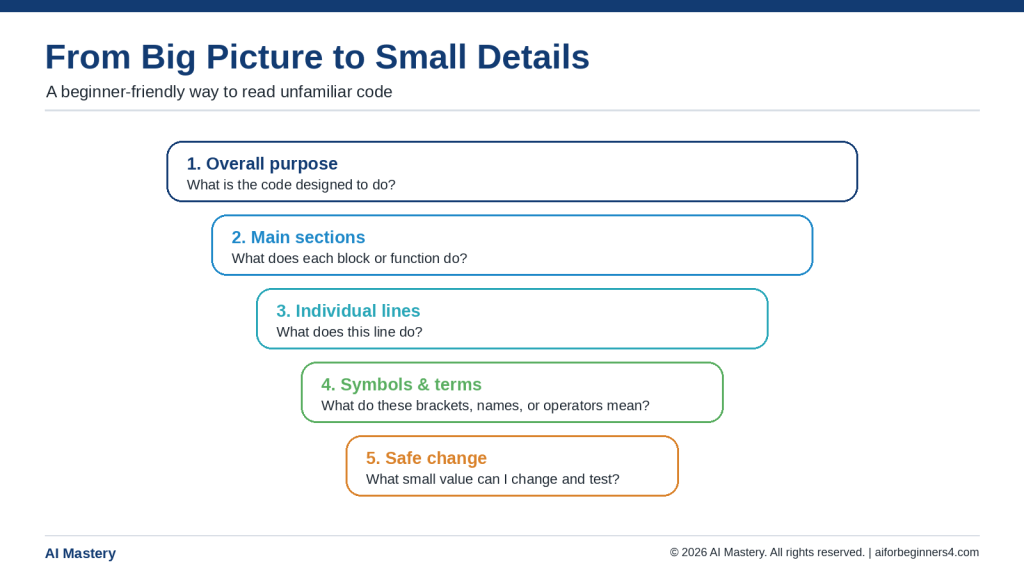
Figure 3. Move from the big picture to individual lines.
Explanation: Beginners can reduce confusion by first understanding the overall purpose, then the main sections, individual lines, symbols and terms, and finally one safe change to test.
Step-by-Step: Ask ChatGPT to Explain a Piece of Code
A simple process can make code explanations easier to understand and more useful for learning.
Step 1: Choose a Small Section of Code
Start with a short piece of code rather than an entire large project.
For example:
name = input(“What is your name? “)
print(“Hello, ” + name)
A small example makes it easier to understand each line.
Step 2: Remove Sensitive Information
Before pasting code into ChatGPT, check for:
· Passwords
· API keys
· Access tokens
· Customer information
· Private file paths
· Confidential comments
· Database credentials
· Internal company information
Replace sensitive values with placeholders.
For example:
YOUR_API_KEY_HERE
Step 3: Tell ChatGPT Your Skill Level
Say clearly that you are a beginner.
For example:
“I am a complete beginner. Explain this Python code without assuming I already know programming.”
This helps set the level of the explanation.
Step 4: Ask What the Code Does Overall
Before examining individual lines, ask:
“First, explain in one short paragraph what this code does overall.”
For the example above, ChatGPT might explain that the program asks the user for a name and then displays a greeting.
Understanding the main purpose first can make the individual lines easier to follow.
Step 5: Ask for a Line-by-Line Explanation
Then ask:
“Now explain each line separately. Tell me what every important word, symbol, and value means.”
For example, you could learn that:
· name is a variable.
· input() asks the user to enter information.
· The text inside quotation marks appears on the screen.
· print() displays information.
· The + joins pieces of text in this example.
Step 6: Ask About Anything You Still Do Not Understand
Do not move on simply because ChatGPT provided an explanation.
If the word “variable” is still confusing, ask:
“What is a variable? Explain it with an everyday example before explaining the code again.”
You can repeat this process for any unfamiliar term.
Step 7: Ask Which Parts You Can Change
Once you understand the basic code, ask:
“Which parts of this example can I change safely without changing the main idea?”
For example, you might change:
“Hello, “
to:
“Welcome, “
Then run the code again and observe the result.
Step 8: Ask What Would Happen Before Making a Change
Before changing unfamiliar code, you can ask:
“What would happen if I changed this line? Do not modify the code yet.”
This helps you predict the effect before making the edit.
Step 9: Make One Small Change Yourself
Try changing something simple.
For example:
print(“Welcome, ” + name)
Run the program again.
Check whether the result matches what you expected.
Step 10: Ask ChatGPT to Check Your Understanding
Explain the code in your own words.
For example:
“I think the first line asks for the user’s name and stores it, and the second line displays a greeting using that name. Is my understanding correct?”
ChatGPT can then identify anything you misunderstood.
Step 11: Ask for a Similar Practice Example
Once you understand the original code, ask:
“Give me a similar beginner exercise using the same idea, but do not show me the answer yet.”
This helps you practise rather than simply reread the explanation.
Step 12: Verify Important Technical Details
For simple learning examples, ChatGPT may be enough to help you understand the basic idea.
For unfamiliar functions, libraries, commands, security features, or code that matters to a real project, check the current official documentation as well.
A Useful Complete Prompt
You can use:
“I am a complete beginner. First explain what this code does overall. Then explain each important line in simple language. Define technical terms, tell me what I can safely change, and do not rewrite the code unless I ask. If anything is uncertain or depends on information I have not provided, tell me instead of guessing.”
How to Avoid This Mistake: Do not read a long AI explanation once and assume you understand the code. Ask smaller follow-up questions, make a simple change yourself, test the result, and explain the code back in your own words.
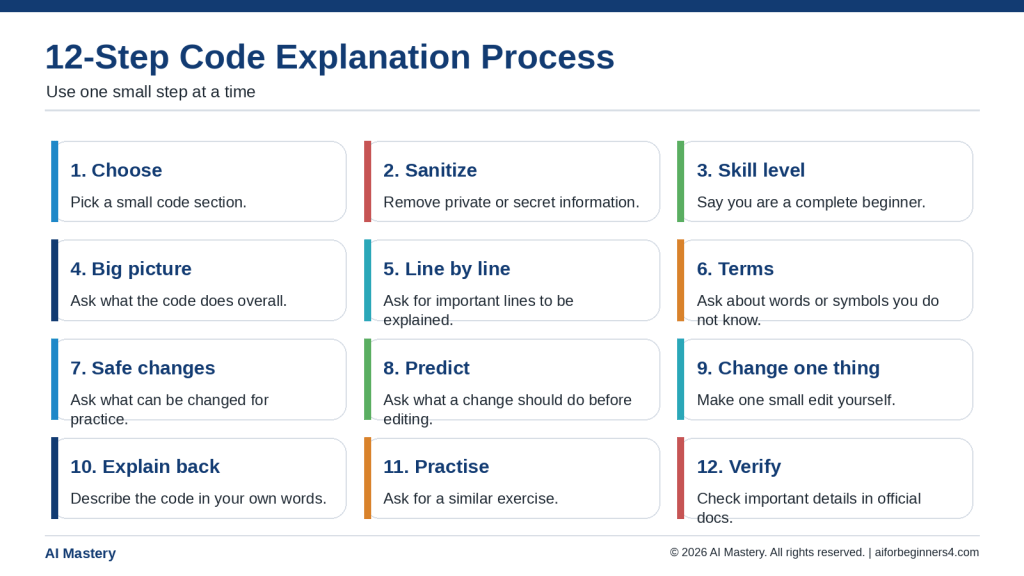
Figure 4. The 12-step code explanation process.
Explanation: This checklist summarizes the full learning process from choosing a small sample and removing sensitive information through testing, explaining the code back, practising, and verifying important details.
Useful ChatGPT Prompts for Understanding Code
Reusable prompts can help you get clearer explanations from ChatGPT. Replace the bracketed parts with your own code, programming language, or question.
Prompt for a Complete Beginner
“I am a complete beginner. Explain this [programming language] code in simple language. Do not assume I already know programming terms.”
Prompt for an Overall Explanation
“Before explaining individual lines, tell me in one short paragraph what this code is designed to do.”
This gives you the big picture first.
Prompt for a Line-by-Line Explanation
“Explain this code line by line. For each line, tell me what it does and why it is needed.”
This works best with short code samples.
Prompt for a Section-by-Section Explanation
“Divide this code into logical sections. Give each section a simple name and explain what it does.”
This can be easier than reviewing a long program one line at a time.
Prompt for Explaining Technical Terms
“Explain every technical term in this code that a complete beginner may not understand.”
You can also ask about one term:
“What does ‘function’ mean in this example? Explain it using an everyday analogy.”
Prompt for Explaining Symbols
“Explain the important symbols in this line, including the parentheses, quotation marks, commas, brackets, equals signs, or other punctuation.”
This can be especially useful when you are learning your first programming language.
Prompt for Understanding Variables
“Identify the variables in this code. Explain what each variable stores and where it is used.”
Prompt for Understanding Functions
“Identify the functions in this code. For each function, explain what information goes into it, what it does, and what result it produces.”
Prompt for Explaining HTML
“This is HTML code. Explain what each element does and what I would see in the browser.”
Prompt for Explaining CSS
“This is CSS. Explain which webpage element each rule affects and what visual change it creates.”
Prompt for Explaining JavaScript
“This is JavaScript. Explain what causes the code to run, what it changes, and what the user would notice.”
Prompt for Explaining Python
“This is Python code. Explain it step by step for someone who has never used Python before.”
Prompt for Asking What You Can Change
“Which parts of this code can a beginner safely change for practice? Explain what each change would affect.”
Prompt for Asking What Not to Change
“Which parts of this code should I leave unchanged until I understand them better? Explain why.”
Prompt for Predicting a Change
“Do not change the code yet. Tell me what would probably happen if I changed [specific line or value] to [new value].”
Afterward, make the change yourself and test whether the result matches the explanation.
Prompt for Comparing Two Versions
“Compare these two versions of the code. Explain exactly what changed and what effect those changes should have.”
This can be useful after ChatGPT or another person modifies your code.
Prompt for Understanding an Error
“This code produces this error: [error message]. First explain what the error means in beginner-friendly language. Do not fix the code yet.”
Once you understand the problem, you can ask for the smallest correction.
Prompt for Explaining Why Code Works
“This code works, but I do not understand why. Explain the sequence of events from the first line to the final result.”
Prompt for Simplifying an Explanation
“I still do not understand. Explain the same code again using shorter sentences, simpler words, and one everyday example.”
There is no problem with asking for a second or third explanation.
Prompt for Creating a Simple Example
“Create a much smaller example that demonstrates the same coding idea. Explain how the small example relates to my original code.”
This can help when the original program is too complicated.
Prompt for Checking Your Understanding
“This is my explanation of the code: [your explanation]. Tell me what I understood correctly and correct only the parts I misunderstood.”
Prompt for a Short Review Summary
“After explaining the code, give me five short bullet points summarizing the most important things I should remember.”
Prompt for Creating Practice Questions
“Based on this code, create five beginner questions that test whether I understand it. Do not show the answers until I ask.”
Prompt for a Practice Modification
“Give me one small change I can make to this code myself for practice. Do not show me the finished answer immediately.”
Prompt for Explaining Without Rewriting
“Explain this code only. Do not rewrite, optimize, or replace it unless I specifically ask.”
This is useful when your goal is learning rather than modification.
Prompt for Identifying Missing Context
“Tell me whether you have enough information to explain this code accurately. If important files, libraries, settings, or other context are missing, list what you need instead of guessing.”
Prompt for Verification
“Identify any functions, libraries, commands, versions, or technical claims in this explanation that I should verify using current official documentation.”
Final Check Before Using Any Prompt: Remove passwords, API keys, private information, and confidential code before sharing it. Keep your original code, ask focused follow-up questions, and verify important technical details when the code affects a real project.
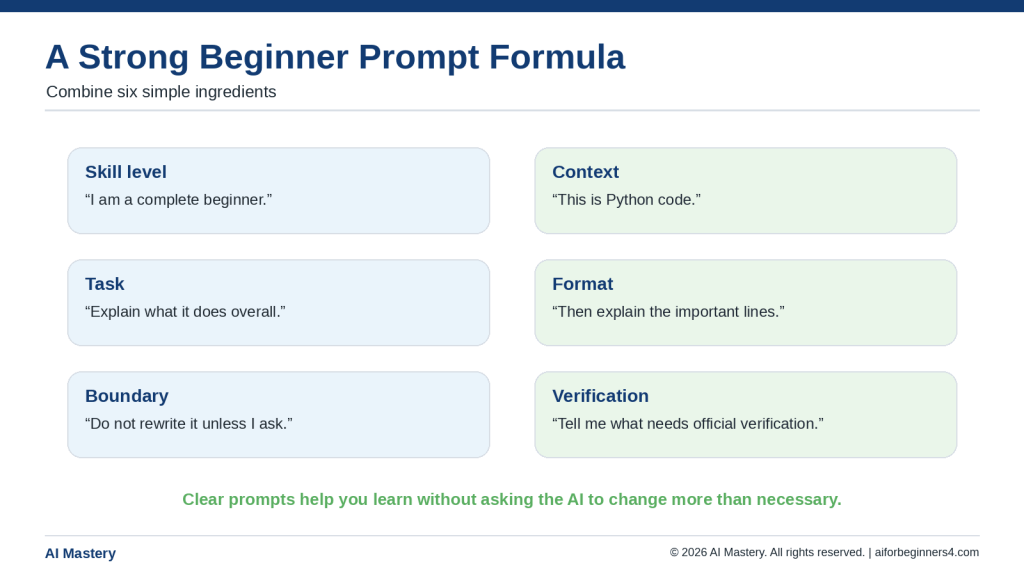
Figure 5. A strong beginner prompt formula.
Explanation: A useful prompt combines your skill level, context, task, preferred explanation format, boundaries on changes, and a request to identify anything that needs verification.
Practical Example: Ask ChatGPT to Explain a Simple Webpage
Suppose you receive a small HTML file and can see the webpage in your browser, but you do not understand how the code creates what you see.
A short example might look like this:
<!DOCTYPE html>
<html>
<head>
<title>My First Page</title>
</head>
<body>
<h1>Welcome</h1>
<p>This is my first webpage.</p>
<button>Learn More</button>
</body>
</html>
Instead of asking ChatGPT to redesign the page, use it first to understand the existing code.
Stage 1: Ask What the Code Does Overall
Start with:
“I am a complete beginner. Tell me in one short paragraph what this HTML code does. Do not change the code.”
ChatGPT may explain that the code creates a simple webpage containing:
· A browser-tab title
· A main heading
· A paragraph
· A button
This gives you the overall purpose before you study individual lines.
Stage 2: Ask About the Main Structure
Next ask:
“Explain the main parts of this HTML document and what <html>, <head>, and <body> mean.”
A beginner-friendly explanation may describe:
· <html> as the container for the webpage
· <head> as information about the page
· <body> as the visible page content
If any term is unclear, ask another question before continuing.
Stage 3: Ask About One Visible Element
Suppose you want to understand the heading.
Ask:
“Which line creates the word ‘Welcome’ that I see on the webpage?”
ChatGPT should identify:
<h1>Welcome</h1>
Then ask:
“What does h1 mean?”
This focuses the explanation on one idea.
Stage 4: Connect the Code to What You See
Ask:
“Show me which line creates each visible part of the webpage.”
You can then connect:
· <h1> with the heading
· <p> with the paragraph
· <button> with the button
This makes the code less abstract because you can match it to the browser result.
Stage 5: Ask About Something You Cannot See
You may notice that this line does not appear inside the visible page:
<title>My First Page</title>
Ask:
“Where would I see the text ‘My First Page’ if it is not inside the webpage itself?”
ChatGPT can explain that the title normally appears in the browser tab or similar browser interface.
This teaches an important lesson: not every line of code creates visible page content.
Stage 6: Ask What You Can Change Safely
Now ask:
“Which text in this example can I change for practice without changing the basic page structure?”
For example, you could change:
<h1>Welcome</h1>
to:
<h1>Welcome to My Website</h1>
You could also change the paragraph or button text.
Stage 7: Predict the Result Before Editing
Before making the change, ask:
“If I change only the text inside the <h1> element, what should happen in the browser?”
Then make the change yourself, save the file, and refresh the page.
Compare the result with what ChatGPT predicted.
Stage 8: Ask About the Button
The button appears on the page, but clicking it may do nothing.
Ask:
“Why does this button appear but not perform an action when I click it?”
This is a useful learning question because appearance and behavior are different concepts.
ChatGPT may explain that the HTML creates the button, but additional code such as JavaScript would normally be needed to give it interactive behavior.
Stage 9: Do Not Add the Feature Yet
Instead of immediately asking for JavaScript, continue learning.
Ask:
“Explain what JavaScript would add to this example without writing any JavaScript yet.”
This helps you understand the purpose of another technology before adding more code.
Stage 10: Explain the Page in Your Own Words
After working through the example, write your own explanation.
For example:
“The HTML document contains information about the page and the visible page content. The heading, paragraph, and button are inside the body. The title is used by the browser rather than displayed as normal page content.”
Then ask:
“Is my explanation correct? Correct only the parts I misunderstood.”
Stage 11: Ask for a Small Practice Task
Once you understand the example, ask:
“Give me one small change I can make to this HTML myself. Do not give me the answer.”
ChatGPT might ask you to:
· Change the heading
· Add another paragraph
· Change the button text
· Add a second heading
Make the change yourself and test it in the browser.
What This Example Teaches
This simple exercise demonstrates a useful learning process:
1 Understand the overall purpose.
2 Identify the main sections.
3 Connect visible results with specific code.
4 Ask about unfamiliar elements.
5 Predict what a change will do.
6 Make one small change yourself.
7 Test the result.
8 Explain the code back in your own words.
Reality: Asking ChatGPT to explain code is most useful when you interact with the explanation. Read it, ask follow-up questions, predict changes, edit a small part yourself, and check whether the result matches your understanding.
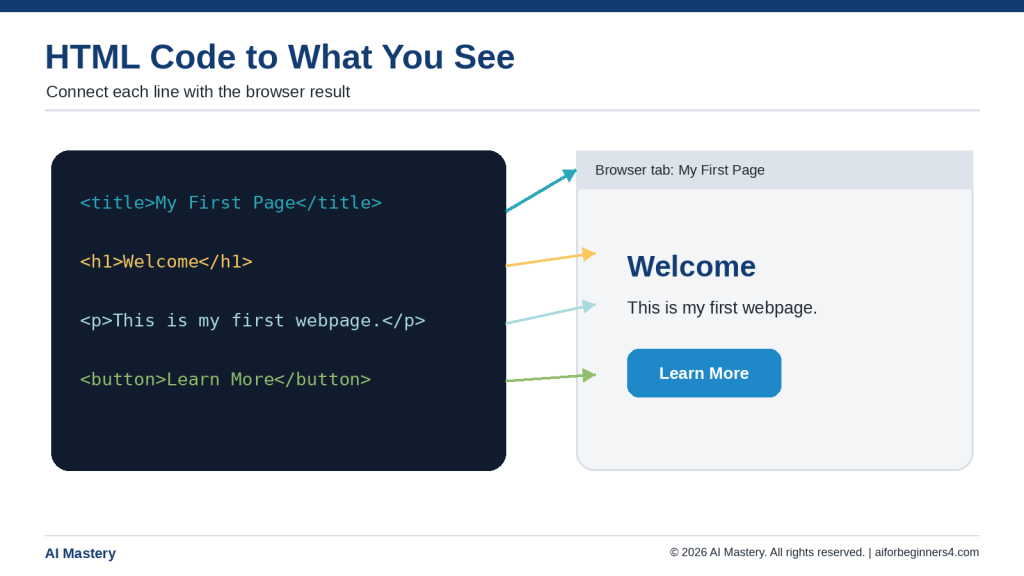
Figure 6. Connecting HTML code with the browser result.
Explanation: This visual connects common HTML elements with what a beginner sees in the browser, helping make code less abstract.
Benefits of Asking ChatGPT to Explain Code
Using ChatGPT to explain code can make programming easier to approach, especially when you are still learning basic terms and concepts.
Makes Unfamiliar Code Less Intimidating
A block of code can look difficult when you do not recognize the language, symbols, or structure.
ChatGPT can break the code into smaller pieces and explain:
· What the code is trying to do
· What each section controls
· Which lines are most important
· Which parts are connected
This can make the code feel more manageable.
Lets You Ask Follow-Up Questions
A tutorial or textbook gives you one explanation.
With ChatGPT, you can continue asking questions such as:
· “Can you explain that more simply?”
· “What does this word mean?”
· “Why is this line needed?”
· “Can you give me another example?”
· “What would happen if I changed this value?”
This can help you work through confusion one step at a time.
Helps Explain Technical Terms
Programming includes many unfamiliar terms.
ChatGPT can explain concepts such as:
· Variable
· Function
· Loop
· Condition
· Parameter
· String
· List
· HTML element
· CSS rule
· JavaScript event
You can also ask for an everyday analogy before returning to the technical explanation.
Helps Connect Code with Results
When you can see what a program or webpage does, ChatGPT can help identify which code creates each result.
For example, you can ask:
“Which line controls the button text?”
or:
“Which CSS rule changes the background colour?”
Connecting the visible result with the code can make learning easier.
Helps You Understand Errors Before Fixing Them
When an error appears, beginners may be tempted to ask only for corrected code.
A better approach is to ask:
“Explain what this error means before fixing it.”
Understanding the problem can help you recognize similar errors later.
Helps Compare Different Versions of Code
If your code changes, you can ask ChatGPT to compare the old and new versions.
For example:
“Compare these two versions and explain exactly what changed.”
This can help you identify:
· Added lines
· Removed lines
· Changed values
· New functions
· Possible effects of the changes
Helps You Learn from Existing Code
You do not always need to write code yourself before learning from it.
ChatGPT can help explain code from:
· Your own practice projects
· Tutorials
· Documentation examples
· A colleague or teacher
· An earlier version of your project
Before sharing third-party or workplace code, make sure you have permission and remove confidential or sensitive information.
Helps You Practise Active Learning
Instead of only reading explanations, you can ask ChatGPT to turn the code into a learning exercise.
For example:
“Ask me five questions about this code and do not show the answers until I respond.”
or:
“Give me one small change to make myself.”
This encourages you to think about the code rather than simply copy it.
Lets You Adjust the Explanation Level
If the first explanation is too difficult, ask for something simpler.
For example:
“Explain this as if I am 12 years old and have never programmed.”
If the explanation becomes too simple later, you can ask:
“Now explain the same code using the correct programming terms.”
This allows the explanation to grow with your understanding.
Helps You Identify What to Learn Next
After explaining the code, you can ask:
“What are the three programming concepts in this example that I should learn next?”
This can turn one code example into a simple learning path.
Can Save Time When Reading Small Code Samples
Instead of searching separately for every unfamiliar term, you can ask ChatGPT to explain several related parts together.
This can be especially useful for small beginner examples.
However, important technical details should still be checked against current official documentation when accuracy matters.
Benefit: ChatGPT can make code easier to understand by breaking it into smaller parts, answering follow-up questions, explaining technical terms, connecting code with visible results, and helping you practise what you learned.
The greatest benefit comes when you use the explanation to build your own understanding rather than relying on ChatGPT to make every coding decision for you.
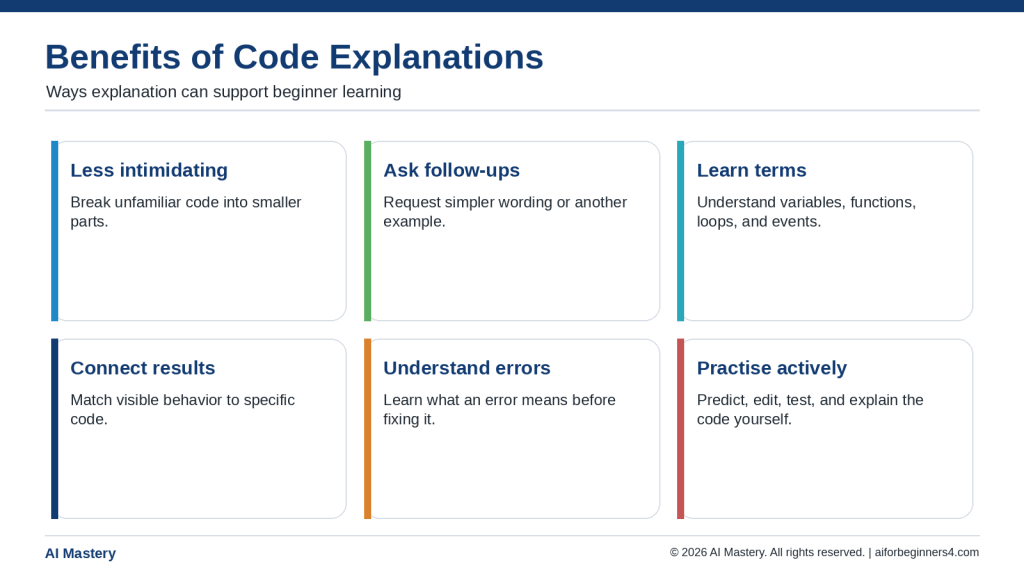
Figure 7. Benefits of asking ChatGPT to explain code.
Explanation: Code explanations can reduce intimidation, support follow-up questions, teach terminology, connect code with results, clarify errors, and encourage active practice.
Limitations and Common Mistakes
ChatGPT can make code easier to understand, but its explanations should not automatically be treated as correct.
Limitation: ChatGPT Can Misinterpret the Code
If you provide only part of a program, ChatGPT may not know what happens in other files or sections.
Missing context might include:
· Imported libraries
· Configuration files
· Other functions
· Database settings
· Framework rules
· Earlier variable definitions
· Software versions
How to Reduce This Limitation: Ask:
“Do you have enough context to explain this accurately? Tell me what information is missing instead of guessing.”
Limitation: An Explanation Can Sound Correct but Still Be Wrong
AI can provide confident explanations even when a technical detail is incorrect.
This is especially important with:
· Unfamiliar functions
· Libraries
· Frameworks
· APIs
· Security features
· Version-specific behavior
How to Reduce This Limitation: Check important technical details against the current official documentation for the language, library, framework, or service.
Limitation: Long Code Can Produce Overwhelming Explanations
Pasting hundreds of lines at once can lead to a very long response that is difficult for a beginner to follow.
How to Reduce This Limitation: Work with smaller sections.
For example:
“Explain only this function first. We will review the next section afterward.”
Limitation: ChatGPT May Explain More Than You Asked
You may ask about one line and receive a large rewrite or several additional suggestions.
How to Reduce This Limitation: Be specific:
“Explain only this line. Do not modify or rewrite the code.”
Limitation: Simplified Explanations Can Leave Out Important Details
A beginner-friendly analogy may help you understand the basic idea, but it may not describe every technical detail accurately.
How to Reduce This Limitation: After the simple explanation, ask:
“Now explain the same concept using the correct programming terminology.”
Common Mistake: Asking Only “What Does This Code Do?”
This question is useful, but it may produce an explanation that is still too technical.
How to Avoid This Mistake: Include your level and preferred format.
For example:
“I am a complete beginner. Explain what this code does overall, then explain each important section using simple language.”
Common Mistake: Pasting Too Much Code
A beginner may paste an entire project when only one small section is confusing.
This can make the explanation harder to follow and may expose unnecessary information.
How to Avoid This Mistake: Start with the smallest relevant section.
Common Mistake: Sharing Sensitive Information
Code can contain information that should remain private.
Examples include:
· Passwords
· API keys
· Access tokens
· Customer data
· Personal information
· Private URLs
· Database credentials
· Confidential business information
How to Avoid This Mistake: Review the code before sharing it and replace sensitive values with clear placeholders.
Common Mistake: Asking ChatGPT to Fix the Code Before Understanding the Problem
If ChatGPT immediately replaces the code, you may get a working version without learning what caused the problem.
How to Avoid This Mistake: Ask:
“Explain the problem first. Do not fix the code until I understand the cause.”
Common Mistake: Copying the Explanation Without Testing It
An explanation may describe what the code should do, but the actual behavior may be different.
How to Avoid This Mistake: Run the code in an appropriate test environment and compare what happens with the explanation.
Common Mistake: Changing Several Things at Once
After receiving an explanation, you may be tempted to change several lines.
If something breaks, it becomes harder to identify the cause.
How to Avoid This Mistake: Make one small change, save the file, test it, and then continue.
Common Mistake: Not Keeping the Original Code
If you replace working code with an AI-generated version, you may lose the version you were trying to understand.
How to Avoid This Mistake: Save a copy before making important changes.
For example:
· original-code
· before-ai-change
· working-v01
· test-v02
Common Mistake: Assuming ChatGPT Knows the Programming Language
Some code can look similar across languages.
How to Avoid This Mistake: If you know the language, say so.
For example:
“This is JavaScript. Explain it for a complete beginner.”
If you do not know, ask:
“Which programming language does this appear to be? Explain why, and tell me if you are uncertain.”
Common Mistake: Ignoring Software Versions
Code behavior can change between versions of a language, library, framework, or tool.
How to Avoid This Mistake: When version information matters, include it if you know it and verify the explanation against current official documentation.
Common Mistake: Assuming an Explanation Proves the Code Is Safe
Understanding what code appears to do does not prove that it is:
· Secure
· Private
· Accessible
· Efficient
· Properly licensed
· Appropriate for production use
How to Avoid This Mistake: Treat explanation, testing, security review, accessibility review, privacy review, and licensing review as separate tasks when they matter.
Common Mistake: Using Workplace or Third-Party Code Without Permission
Code from an employer, customer, paid product, private repository, or another developer may be confidential or subject to restrictions.
How to Avoid This Mistake: Make sure you have permission before submitting third-party or workplace code to an AI service.
Common Mistake: Stopping After the First Explanation
If you still do not understand something, continuing anyway can create confusion later.
How to Avoid This Mistake: Ask another question.
For example:
“I still do not understand this line. Explain only this line using a simpler example.”
Reality: ChatGPT can help you understand code more quickly, but a clear explanation is not proof that the explanation or the code is correct, secure, current, or suitable for a real project. Use small code samples, protect sensitive information, ask focused follow-up questions, test the code, and verify important technical details.
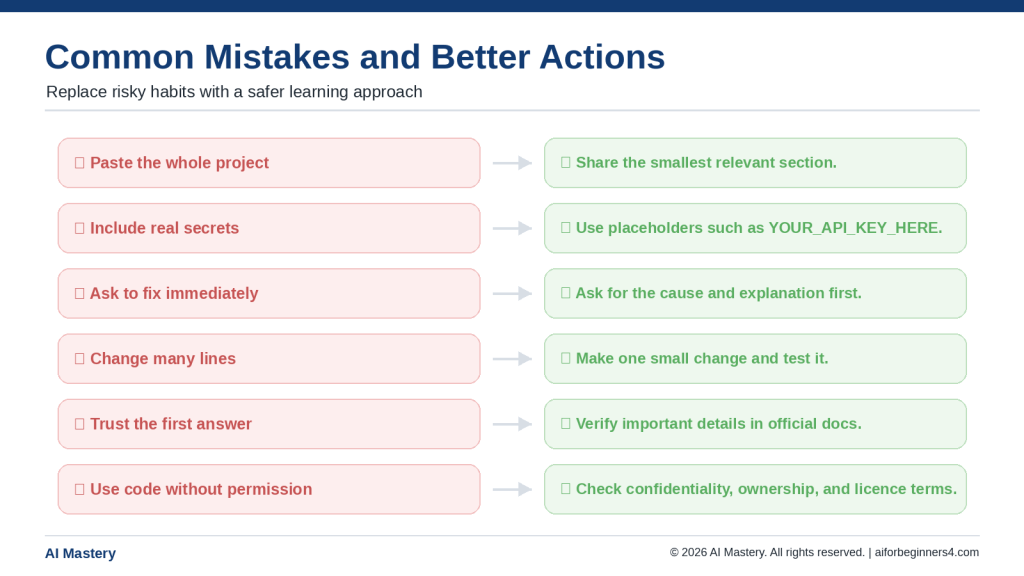
Figure 8. Common mistakes and better actions.
Explanation: The safer alternative is usually to share less code, remove secrets, understand the cause before fixing, make one change at a time, verify important claims, and respect permissions.
Common Myths About Asking ChatGPT to Explain Code
ChatGPT can be a useful coding tutor, but beginners should not assume that every explanation is complete or correct.
Myth 1: If ChatGPT Explains the Code Clearly, the Explanation Must Be Correct
A confident explanation can still contain errors.
Reality: Clear wording does not guarantee technical accuracy. Verify important functions, commands, libraries, APIs, and version-specific behavior using current official documentation.
Myth 2: ChatGPT Always Knows What Every Part of the Code Does
ChatGPT may be missing important context from:
· Other files
· Imported libraries
· Configuration settings
· Earlier variable definitions
· Framework settings
· Database connections
Reality: Ask whether more context is needed before relying on the explanation.
Myth 3: You Should Paste the Entire Project for a Better Explanation
More code does not always produce a better answer.
A very large project can make the explanation harder to follow and may expose unnecessary information.
Reality: Start with the smallest relevant section and expand only when necessary.
Myth 4: You Need to Understand Programming Before Asking Questions
You do not need advanced knowledge to begin.
You can ask very basic questions such as:
“What does this symbol mean?”
or:
“What is a function?”
Reality: Telling ChatGPT that you are a complete beginner can help produce simpler explanations.
Myth 5: Asking for an Explanation Is the Same as Learning the Code
Reading an explanation does not automatically mean you understand it.
Reality: Try explaining the code back in your own words, make a small change yourself, and test what happens.
Myth 6: ChatGPT Should Fix the Code at the Same Time It Explains It
Combining explanation, debugging, rewriting, and improvement in one request can make the answer harder to follow.
Reality: First understand the existing code. Then ask for changes separately.
Myth 7: If ChatGPT Says a Change Is Safe, It Must Be Safe
A change may affect parts of the project that were not included in the prompt.
Reality: Keep backups, make one small change at a time, and test the result.
Myth 8: ChatGPT Can Automatically Detect Every Security Problem
AI may notice some obvious issues, but it cannot guarantee that code is secure.
Reality: Security-sensitive projects require current security guidance and, when appropriate, experienced human review.
Myth 9: Code That Works Is Easy to Explain Correctly
Working code can still contain:
· Hidden dependencies
· Unusual logic
· Outdated methods
· Security weaknesses
· Poor design choices
Reality: Running successfully does not prove that an explanation covers every important issue.
Myth 10: Public Code Is Always Safe to Paste into ChatGPT
Code found online may still be copyrighted, licensed, confidential, or connected to private information.
Reality: Check permission and remove unnecessary sensitive information before sharing code.
Myth 11: ChatGPT Always Knows Which Programming Language You Are Using
Some languages share similar syntax.
Reality: Tell ChatGPT the language when you know it. If you do not know, ask it to identify the likely language and explain any uncertainty.
Myth 12: One Explanation Should Be Enough
Beginners often need the same concept explained more than once.
Reality: Ask for:
· Simpler wording
· A smaller example
· An everyday analogy
· A line-by-line explanation
· A practice question
Different explanations can make the same idea easier to understand.
Myth 13: Longer Explanations Are Always Better
A long answer can sometimes make a simple idea harder to understand.
Reality: Ask for shorter explanations when needed.
For example:
“Explain only this line in three simple sentences.”
Myth 14: ChatGPT Can Replace Official Documentation
ChatGPT can make documentation easier to understand, but it should not replace authoritative sources when accuracy matters.
Reality: Use ChatGPT to help interpret unfamiliar technical information, then verify important details using current official documentation.
The best way to use ChatGPT for code explanations is to treat it as a learning assistant. Ask focused questions, protect sensitive information, test your understanding, and verify important technical details rather than accepting every explanation automatically.
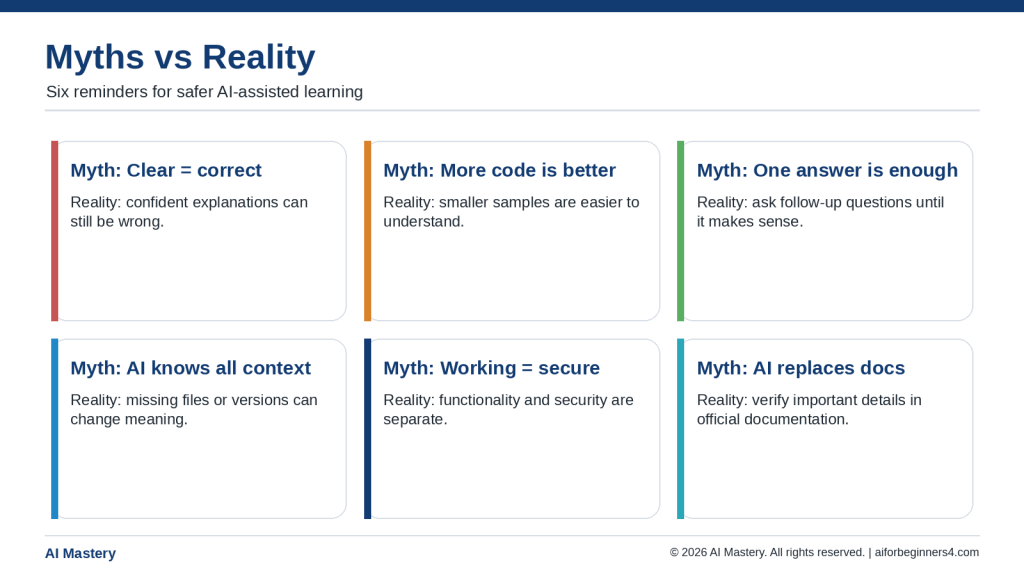
Figure 9. Myths and realities about AI code explanations.
Explanation: Clear explanations can still be wrong, more code is not always better, AI may lack context, working code is not automatically secure, and official documentation still matters.
When ChatGPT Can Help and When Human Review Matters Most
ChatGPT can be useful for explaining many types of code, but the level of human review needed increases when the code becomes more complex, private, security-sensitive, or important to real users.
Good Uses for ChatGPT Code Explanations
ChatGPT can be especially helpful when you want to:
· Understand a short code example
· Learn what a programming term means
· Identify what each section of code does
· Understand variables and functions
· Connect webpage code with what appears in the browser
· Understand a basic error message
· Compare two versions of code
· Learn why a small change affects the result
· Turn an example into a practice exercise
· Check whether your own explanation makes sense
These are generally useful learning tasks because the goal is understanding rather than immediately relying on the code in an important system.
Use More Care with Unfamiliar Libraries and Packages
Code may depend on third-party:
· Libraries
· Packages
· Frameworks
· Plugins
· Extensions
· APIs
ChatGPT may explain what one of these appears to do, but the explanation could be outdated or incomplete.
Before relying on the explanation, check:
· The exact package or library name
· Its official documentation
· The version being used
· Whether the feature still exists
· Whether the documented behavior matches the explanation
Ask ChatGPT:
“Which parts of your explanation depend on this library or its version and should be checked against the official documentation?”
Human Review Matters for Security-Sensitive Code
Use extra care when code involves:
· Passwords
· Authentication
· User accounts
· API keys
· Access permissions
· Encryption
· Databases
· File uploads
· User input
· Private information
ChatGPT can help explain what the code appears to do, but an explanation does not prove that the implementation is secure.
For example, code may appear to check a password while still containing a security weakness.
For important systems, use current security guidance and appropriate experienced review.
Human Review Matters for Payment Code
Code involving:
· Credit cards
· Purchases
· Subscriptions
· Refunds
· Banking information
· Payment-provider integrations
should not rely only on an AI explanation.
Ask ChatGPT to help you understand the general structure, but verify the implementation using the payment provider’s current official documentation and appropriate technical review.
Do not assume that understanding what the code does means the payment system is safely implemented.
Human Review Matters for Personal Information
Some programs collect or process information about real people.
Examples include:
· Names
· Email addresses
· Addresses
· Account details
· Student information
· Employee records
· Health information
· Financial information
ChatGPT may help explain how the program handles the data, but privacy requirements depend on what information is collected, how it is used, where it is stored, and which laws or organizational rules apply.
Do not share real personal information merely to obtain a code explanation.
Use fictional or test data whenever possible.
Human Review Matters for Production Code
Production code is code used by real customers, employees, visitors, or other users.
Before relying on a ChatGPT explanation of production code, consider whether the code affects:
· Important data
· User accounts
· Website availability
· Business operations
· Customer records
· Permissions
· Backups
· External services
· Security controls
A correct-looking explanation does not guarantee that changing the code will be safe.
Keep a working version and use the project’s normal testing and review process.
Accessibility May Need Additional Review
ChatGPT can explain HTML, CSS, JavaScript, and some accessibility-related code.
For example, it may help explain:
· Heading elements
· Form labels
· Image alternative text
· Button names
· Keyboard-related code
· Error messages
However, understanding these elements does not prove that the finished website or application is accessible.
Important projects may require additional automated and human accessibility testing.
Be Careful with Code You Did Not Write
Before sharing code from:
· An employer
· A customer
· A private repository
· A paid product
· A contractor
· Another developer
· A confidential project
make sure you are permitted to submit it to an AI service.
If permission is uncertain, do not paste the code simply because you want an explanation.
You may be able to create a small fictional example that demonstrates the same programming concept without exposing the original code.
Know When the Missing Context Is Too Important
Sometimes a short code sample cannot be accurately explained by itself.
For example, a function may depend on:
· Another file
· A configuration setting
· An imported library
· A database
· An environment variable
· Earlier code
· A particular software version
Ask:
“Can this section be explained accurately by itself, or do you need additional context?”
If more information is required, provide only what is necessary and safe to share.
Know When to Ask an Experienced Person
Consider experienced technical help when the code involves:
· Real customer data
· Authentication
· Payments
· Important databases
· Business-critical systems
· Complex security controls
· Regulatory requirements
· Significant accessibility requirements
· Large existing applications
· Systems where an error could cause significant harm or loss
ChatGPT can still help you understand terminology and individual code sections, but it should not be the only source of review for high-risk systems.
Reality: ChatGPT is particularly useful for explaining small examples and helping beginners learn how code works. As code becomes more important, private, complex, or security-sensitive, official documentation, testing, permission checks, and experienced human review become increasingly important.
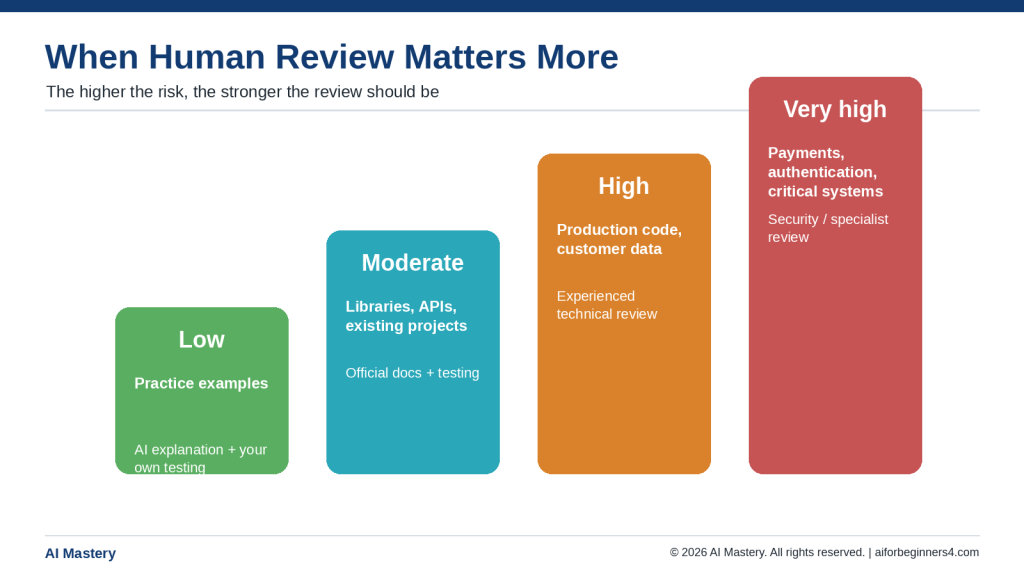
Figure 10. When human review matters more.
Explanation: The need for experienced review rises from low-risk practice examples to libraries and APIs, production systems with customer data, and very high-risk payment, authentication, or critical systems.
Privacy, Security, Licensing, and Responsible Use
When you ask ChatGPT to explain code, think about what the code contains before you paste it into the conversation.
Code can contain more sensitive information than a beginner may realize.
Check the Code Before Sharing It
Before submitting code, look for:
· Passwords
· API keys
· Access tokens
· Database credentials
· Private URLs
· Account numbers
· Customer information
· Employee information
· Personal email addresses
· Internal server names
· Confidential comments
· Private file paths
· Proprietary business information
Remove anything that is not necessary for the explanation.
Replace Sensitive Values with Placeholders
You normally do not need to provide a real password or secret key for ChatGPT to explain how the code works.
Instead of:
API_KEY = “real-secret-key”
use:
API_KEY = “YOUR_API_KEY_HERE”
The programming concept can still be explained without exposing the real credential.
Treat Exposed Credentials Seriously
If you accidentally share a real password, API key, token, or other secret, simply removing it from the code afterward may not be enough.
Follow the service provider’s current instructions for:
· Revoking the credential
· Rotating or replacing it
· Updating affected applications
· Checking for unauthorized use when appropriate
Do not continue using a credential that should be considered exposed without checking the provider’s guidance.
Use Fictional Information for Learning
When possible, replace real personal information with fictional examples.
For example, use:
student@example.com
instead of a real student’s email address.
For a database example, you could use fictional names such as:
· Alex Example
· Jamie Sample
· Morgan Test
The goal is to preserve the code structure without exposing a real person’s information.
Be Careful with Workplace Code
Code from a workplace may contain:
· Proprietary business logic
· Internal system information
· Customer data
· Security settings
· Confidential comments
· Licensed third-party components
Before sharing workplace code with ChatGPT, make sure you are permitted to do so under your employer’s or organization’s policies.
If you are uncertain, ask the appropriate person or use a small fictional example that demonstrates the same coding concept.
Be Careful with Customer or Client Code
The same principle applies to code belonging to a:
· Customer
· Client
· Contractor
· Business partner
· School
· Nonprofit organization
Having access to code does not automatically mean you have permission to submit it to an AI service.
Third-Party Code May Have Licence Conditions
Code from tutorials, repositories, libraries, templates, plugins, or other developers may be subject to licence terms.
Those terms can affect:
· Copying
· Modification
· Redistribution
· Attribution
· Commercial use
· Inclusion in another project
ChatGPT can help explain how code works, but an explanation does not change the licence that applies to the original code.
Do Not Assume Public Code Has No Restrictions
Code being visible on a public website or repository does not automatically mean that you can use it for any purpose.
Before reusing important third-party code, check:
· The licence
· Copyright notices
· Attribution requirements
· Distribution conditions
· Commercial-use conditions
If no licence is clearly provided, do not assume unrestricted permission.
Separate Explanation from Security Review
You might ask:
“What does this authentication code do?”
ChatGPT may explain the apparent logic.
That does not mean the code has passed a security review.
A useful follow-up question is:
“Now identify any security-sensitive parts that should be reviewed separately. Do not assume the code is secure.”
For important systems, use current security documentation and appropriate technical review.
Separate Explanation from Accessibility Review
Understanding webpage code does not prove that the finished page is accessible.
For example, ChatGPT may correctly explain:
<img src=”photo.jpg” alt=”Person using a laptop”>
but accessibility also depends on the purpose of the image, surrounding content, page structure, keyboard behavior, contrast, forms, and other factors.
Accessibility should therefore be reviewed as a separate part of the project.
Be Careful When Code Handles Real People’s Information
Programs may process information such as:
· Names
· Addresses
· Email addresses
· Account information
· Student records
· Employee records
· Health information
· Financial information
Only share information that is necessary and appropriate.
For learning, use fictional or anonymized examples whenever possible.
Preserve Your Original Code
Before making changes based on an explanation, keep a copy of the original.
For example:
· project-original
· project-v01-working
· project-before-chatgpt-review
· project-v02-test
This allows you to compare changes and return to a working version if something goes wrong.
Keep Important Records
For projects that may be published, shared, or used commercially, consider preserving:
· Original source files
· Important prompts
· Working versions
· Library and package names
· Software versions
· Licence files
· Permission records
· Source links
· Testing notes
These records can make future troubleshooting, updates, and compliance checks easier.
Use ChatGPT Responsibly
A responsible beginner workflow is:
1 Remove sensitive information.
2 Share only the code needed for the question.
3 Ask for an explanation before requesting changes.
4 Keep the original working version.
5 Test any changes separately.
6 Verify unfamiliar technical details.
7 Check relevant licences and permissions.
8 Use additional human review when the consequences of an error are significant.
Reality: Asking ChatGPT to explain code can be useful for learning, but the code may contain private information, secrets, confidential business material, or third-party content. Review what you share, protect sensitive information, respect permissions and licences, and keep important technical, security, accessibility, and legal checks separate from the AI explanation.
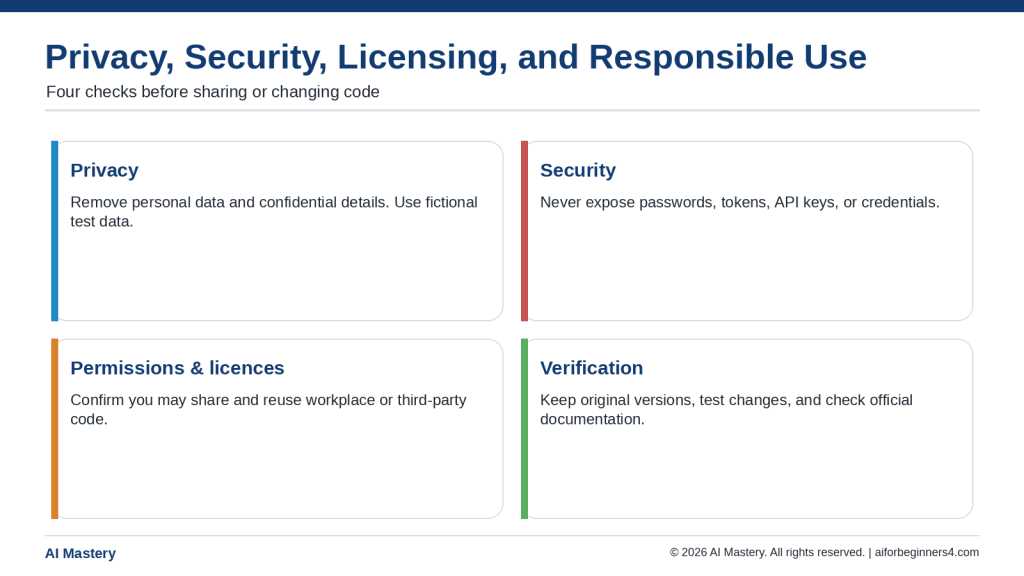
Figure 11. Privacy, security, licensing, and responsible-use checks.
Explanation: Before sharing or changing code, check personal information, secrets and credentials, permission and licence conditions, and the need for testing and official verification.
Frequently Asked Questions
Can ChatGPT explain code if I know nothing about programming?
Yes.
Tell ChatGPT that you are a complete beginner and ask it to avoid unexplained technical terms.
For example:
“Explain this code as if I have never programmed before. Define every important technical term.”
Should I paste an entire program into ChatGPT?
Usually not at first.
Start with the smallest section that contains the part you want to understand.
A shorter sample is easier to explain and reduces the chance of sharing unnecessary private or confidential information.
What should I ask first?
A useful first question is:
“Tell me in one short paragraph what this code does overall.”
After that, ask for a section-by-section or line-by-line explanation.
Can ChatGPT explain every line of code?
It can often explain short and moderately sized code samples line by line.
For longer programs, it is usually easier to work through one function, section, or file at a time.
What if the explanation is too technical?
Ask for a simpler version.
For example:
“I still do not understand. Explain this using shorter sentences and an everyday example.”
You can ask for another explanation as many times as necessary.
Can I ask ChatGPT what individual symbols mean?
Yes.
You can ask about:
· Parentheses
· Brackets
· Braces
· Quotation marks
· Colons
· Semicolons
· Equals signs
· Operators
· Indentation
For example:
“What do the parentheses and quotation marks mean in this Python line?”
Can ChatGPT identify the programming language?
Often, yes.
If you do not know the language, ask:
“Which programming language does this appear to be? Explain how you identified it and tell me if you are uncertain.”
Do not assume the identification is guaranteed to be correct.
Can ChatGPT explain HTML and CSS separately?
Yes.
For example:
“This code contains HTML and CSS. Explain the HTML first, then explain the CSS separately.”
This can make webpage code easier for beginners to understand.
Can ChatGPT explain JavaScript?
Yes.
A useful prompt is:
“Explain what causes this JavaScript to run, what it changes, and what the user sees as a result.”
Can ChatGPT explain Python code?
Yes.
You can ask for explanations of variables, functions, loops, conditions, lists, errors, and other Python concepts.
For example:
“Explain this Python code line by line for a complete beginner.”
Can ChatGPT explain an error message?
Yes.
Include the exact error message when it is safe to share.
Ask:
“Explain what this error means before showing me how to fix it.”
This can help you understand the problem instead of immediately replacing the code.
What if ChatGPT gives me a corrected version before explaining the problem?
Ask it to stop changing the code.
For example:
“Do not rewrite the code yet. First explain why the error is happening.”
Then ask for the smallest correction only after you understand the cause.
Can I ask ChatGPT which parts of the code I can change?
Yes.
Try:
“Which parts of this code can I safely change for practice, and what will each change affect?”
Keep a copy of the original code before experimenting.
How can I tell whether I really understand the code?
Try explaining it yourself.
Then ask:
“This is how I understand the code: [your explanation]. Tell me what I understood correctly and what I misunderstood.”
You can also make one small change and predict what will happen before running the code.
Should I trust every explanation ChatGPT gives me?
No.
ChatGPT can make mistakes, misunderstand missing context, or provide outdated technical information.
Verify important details using current official documentation, especially for:
· Libraries
· Frameworks
· APIs
· Security features
· Version-specific behavior
· Production systems
Can ChatGPT tell me whether code is secure?
It can help identify possible concerns, but an AI explanation is not proof that code is secure.
Security-sensitive projects involving authentication, payments, databases, private data, or public systems may require current security guidance and experienced review.
Can I paste passwords or API keys if ChatGPT needs them to explain the code?
Normally, no.
Replace real secrets with placeholders such as:
YOUR_API_KEY_HERE
or:
YOUR_PASSWORD_HERE
The programming concept can usually be explained without revealing the actual credential.
What should I do if I accidentally share a real secret?
Follow the provider’s instructions for revoking, rotating, or replacing the exposed credential.
Do not assume that deleting it from your code or conversation automatically makes it safe again.
Can I submit code from my workplace?
Only if you have permission.
Workplace code may contain confidential information, proprietary logic, customer data, or security details.
If permission is uncertain, create a small fictional example that demonstrates the same programming concept.
Is public code automatically safe to reuse?
No.
Publicly visible code may still have copyright or licence conditions.
Check the applicable licence before copying, modifying, redistributing, or using third-party code commercially.
Can ChatGPT replace official programming documentation?
No.
ChatGPT can make technical information easier to understand, but official documentation remains important for verifying current functions, commands, versions, libraries, APIs, and other technical details.
What is the best beginner workflow for understanding code with ChatGPT?
A useful process is:
1 Choose a small code sample.
2 Remove sensitive information.
3 Tell ChatGPT you are a beginner.
4 Ask what the code does overall.
5 Ask for a line-by-line or section-by-section explanation.
6 Ask about unfamiliar terms.
7 Predict what a small change will do.
8 Make one small change yourself.
9 Test the result.
10 Explain the code back in your own words.
11 Verify important technical details using official documentation.
Reality: ChatGPT can make code explanations much easier for beginners, but the most useful learning happens when you ask follow-up questions, test your understanding, protect sensitive information, and verify important technical details instead of accepting the first explanation automatically.
Key Takeaways
ChatGPT can make unfamiliar code easier to understand, but the explanation is most useful when you actively work with it instead of accepting it automatically.
Remember these main points:
· Start with a small section of code.
· Remove passwords, API keys, private information, and confidential details before sharing code.
· Tell ChatGPT that you are a complete beginner.
· Ask what the code does overall before studying individual lines.
· Ask for line-by-line or section-by-section explanations when needed.
· Ask about unfamiliar words, symbols, functions, variables, and commands.
· Ask ChatGPT to explain the code before asking it to rewrite or fix it.
· Ask which parts you can safely change for practice.
· Predict what a change will do before making it.
· Make one small change at a time.
· Keep the original working version of the code.
· Test the result after each important change.
· Explain the code back in your own words to check your understanding.
· Ask for a simpler explanation if the first one is too technical.
· Do not assume a clear explanation is automatically correct.
· Verify unfamiliar functions, libraries, frameworks, APIs, commands, and version-specific behavior using current official documentation.
· Use extra care with security-sensitive, private, commercial, workplace, or production code.
· Respect software licences, permissions, privacy requirements, and confidentiality.
· Use experienced human review when the code affects payments, authentication, customer data, important databases, or other high-risk systems.
The most useful way to ask ChatGPT to explain code is to treat it as a learning assistant. Use it to help you understand what the code does, ask better questions, practise small changes, and gradually become more confident reading code yourself.
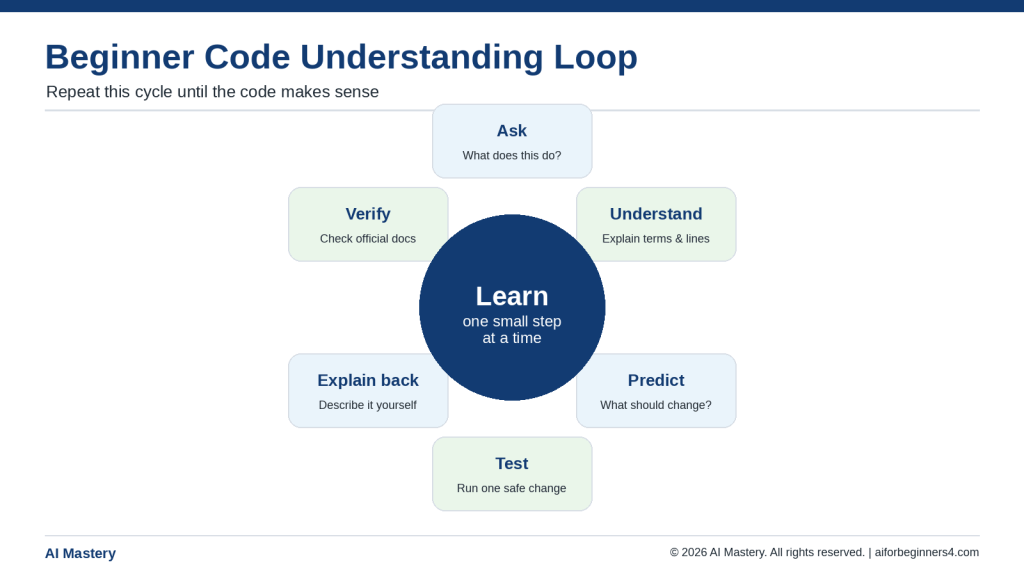
Figure 12. The beginner code-understanding loop.
Explanation: Learning improves through a repeated cycle: ask, understand, predict, test, explain the code back, and verify important details.
Final Tip
When code looks confusing, do not try to understand everything at once.
Start with one question:
“What is this code trying to do?”
Then continue with smaller questions such as:
· What does this line mean?
· What is this variable storing?
· Why is this function needed?
· Which part creates the result I can see?
· What would happen if I changed this value?
· Which part should I avoid changing until I understand it better?
A useful prompt is:
“I am a complete beginner. Explain only the part of this code that I need to understand right now. Use simple language, define unfamiliar terms, and do not rewrite the code unless I ask.”
After reading the explanation, try to describe the code in your own words.
If you cannot explain it yet, ask another question before making changes.
A small piece of code that you understand is more useful for learning than a large amount of code that you can only copy.
Continue Learning
After learning how to ask ChatGPT to explain code, continue with these related AI Mastery guides:
· Article 084 — What Is AI Coding? Complete Beginner Guide (2026) — Review the basic AI coding workflow, benefits, limitations, testing, security, privacy, and responsible-use principles.
· Article 052 — How to Use Claude for Coding and App Creation: Beginner Guide (2026) — Learn how another AI assistant can help explain code, troubleshoot problems, and support small coding projects.
· Article 086 — HTML and CSS for Beginners with ChatGPT (2026) — Continue with a practical introduction to webpage code and learn how ChatGPT can help you understand HTML and CSS. Link after Article 086 is published.
· Article 087 — Python for Complete Beginners with ChatGPT (2026) — Learn how ChatGPT can help you begin understanding and practising Python. Link after Article 087 is published.
· Article 088 — How to Find and Fix Coding Errors with AI (2026) — Learn a more focused debugging process for identifying, understanding, and correcting coding problems. Link after Article 088 is published.
As you continue through the AI Coding series, keep using the same beginner workflow: work with small examples, ask for explanations before major changes, protect sensitive information, test what you learn, and verify important technical details using current official documentation.
Sources and References
The following official and authoritative sources were reviewed for this guide. ChatGPT features, programming languages, security guidance, software licences, privacy practices, and accessibility standards can change, so readers should check current documentation when first using a tool, after important updates, and periodically.
· OpenAI — Working with Writing Blocks and Code Blocks in ChatGPT. OpenAI documents ChatGPT’s current support for working with code blocks, including editing and supported code-related functionality. This supports the guide’s use of ChatGPT as a conversational tool for examining and discussing code. Official source
· OpenAI — How ChatGPT and Our Foundation Models Are Developed. OpenAI explains that ChatGPT is designed to understand and respond to user questions and instructions. This supports the beginner workflow of providing code together with clear instructions and asking follow-up questions. Official source
· OpenAI — ChatGPT and Codex. OpenAI currently distinguishes conversational ChatGPT use from its dedicated Codex coding experience; its documentation describes Codex as supporting activities such as writing and debugging code, running tests, and reviewing changes. Features and product interfaces may continue to change. Official source
· GitHub Docs — Best Practices for Using GitHub Copilot. GitHub recommends understanding suggested code before implementing it and reviewing suggestions for functionality, security, readability, and maintainability. This supports the article’s recommendation to understand code rather than accepting AI-generated material automatically. Official source
· GitHub Docs — Responsible Use of GitHub Copilot Chat. GitHub’s responsible-use documentation recommends secure coding and code-review practices and warns that AI-assisted coding still requires appropriate human review. Official source
· Python Software Foundation — The Python Tutorial and Python Documentation. The official Python documentation provides current language references, tutorials, and guides. These are appropriate sources for checking Python syntax and behavior when an AI explanation needs verification. Official source
· MDN Web Docs — HTML, CSS, and JavaScript Documentation. MDN documents HTML as the technology that defines web-content structure, CSS as the technology used for presentation, and JavaScript as a programming language used for web behavior and other applications. These references support the beginner webpage examples used in this guide. Official source
· OWASP — Secrets Management Cheat Sheet. OWASP provides guidance for storing, managing, auditing, and rotating secrets. This supports the article’s warnings about passwords, API keys, tokens, and other credentials contained in code. Official source
· OWASP — Secure Code Review and Secure Coding Practices. OWASP recommends secure code-review practices covering areas such as authentication, input handling, access control, secrets, and error handling. This supports the distinction made in the guide between understanding what code does and establishing that code is secure. Official source
· Office of the Privacy Commissioner of Canada — Privacy and Artificial Intelligence. The OPC provides guidance concerning AI and personal information and recommends privacy-protective practices when using AI technologies. This supports the article’s recommendation to limit unnecessary personal information when submitting code to an AI system. Official source
· Canadian Intellectual Property Office — Copyright and Intellectual Property Rights in Software in Canada. CIPO explains Canadian copyright and intellectual-property considerations relating to software. These sources support the article’s warning that software and code can involve copyright, licensing, and other intellectual-property rights. Official source
· Open Source Initiative — OSI Approved Licenses. OSI maintains information about approved open-source licences and explains that open-source software is distributed under licence terms. This supports the recommendation to check the specific licence rather than assuming publicly available code has no conditions. Official source
· W3C Web Accessibility Initiative — WCAG 2.2. WCAG 2.2 provides recommendations for making web content more accessible. This supports the article’s reminder that understanding webpage code is separate from verifying whether the completed website meets accessibility requirements. Official source
· OpenAI — Terms of Use. OpenAI’s current Terms explain that users are responsible for the content they provide and, as between the user and OpenAI and to the extent permitted by applicable law, users retain ownership rights in input and own output. This does not remove the need to have appropriate rights and permissions for third-party code or other material submitted to a service. Official source
These sources support the guide’s main recommendations: provide clear instructions, work with manageable code samples, understand code before changing it, protect sensitive information, verify technical details against authoritative documentation, review security separately, respect licences and permissions, and consider accessibility and privacy throughout a project.
For important workplace, commercial, privacy-sensitive, security-sensitive, or legally significant projects, this guide provides general educational information and is not a substitute for appropriate technical, security, accessibility, privacy, or legal advice.

